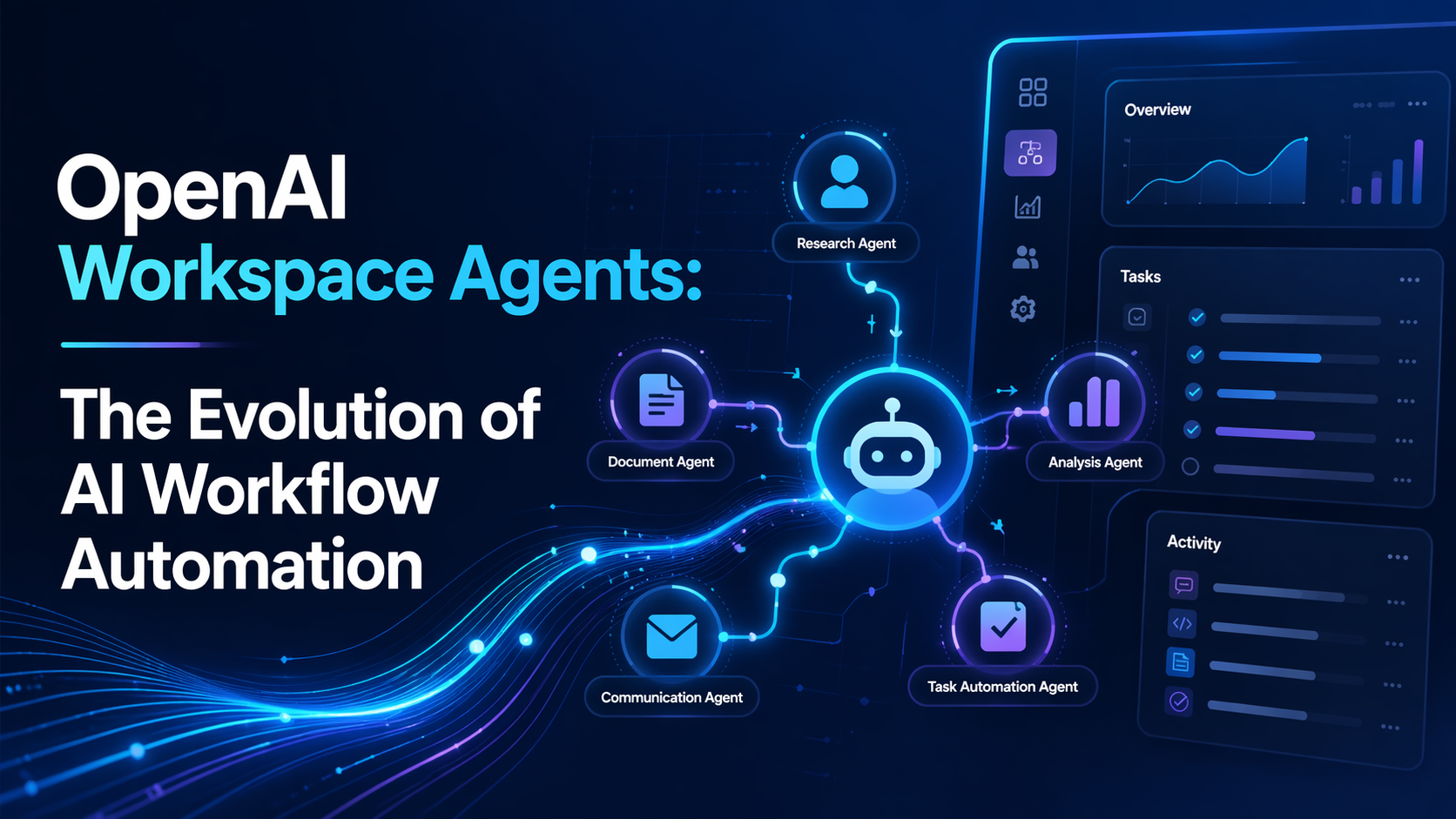
For teams relying on AI to streamline workflows, the frustration of single-user, one-and-done tools has long been a roadblock. OpenAI is finally addressing this gap with the launch of Workspace Agents, the evolutionary successor to GPTs that brings persistent, team-shared automation to businesses and enterprise users.
Meet Workspace Agents: The Long-Awaited AI Evolution
First teased under the codename Hermes via TestingCatalog, Workspace Agents officially launched in April 2026, built on OpenAI’s powerful Codex platform. Available exclusively to ChatGPT Business, Enterprise, Education, and Teachers plan subscribers, the tool can be accessed at openai.com/index/introducing-workspace-agents-in-chatgpt. Unlike its predecessors, creating an agent is intuitive: simply describe your desired workflow, and ChatGPT will build a custom agent that your team can share, use repeatedly, and refine over time. And for existing GPTs users, a one-click conversion path ensures a seamless transition to the new platform.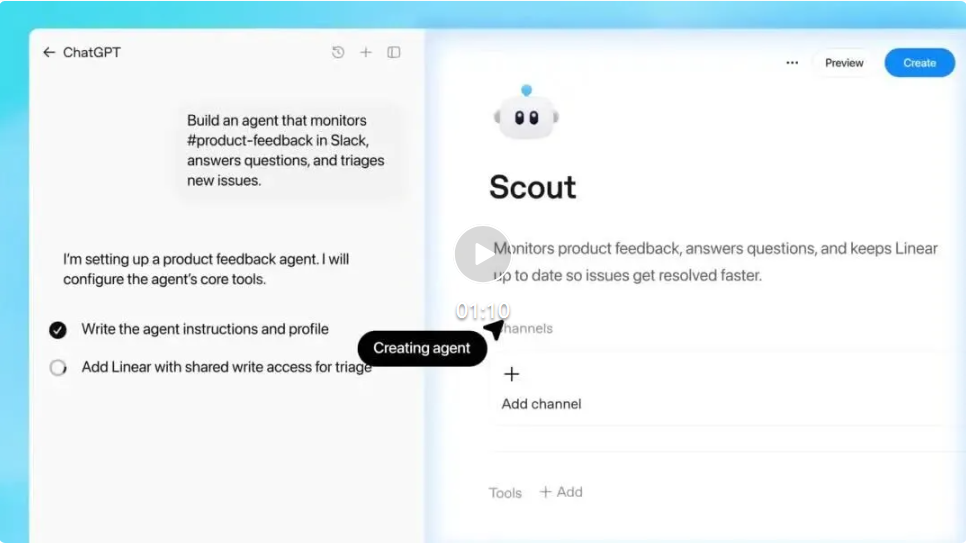
How Workspace Agents Outshine Predecessors
To understand the leap forward, it’s critical to compare Workspace Agents to OpenAI’s prior offerings:
- GPTs (November 2023): Built on prompt configurations, knowledge bases, and Actions, these single-user tools lacked the ability to execute long, multi-step workflows.
- ChatGPT Agent (July 2025): Designed for one-time tasks, these agents ended execution once their job was done and had no persistent identity or memory.
- Workspace Agents (April 2026): Built for teamwork, these agents run persistently, retain memory across sessions, follow structured workflows, and include built-in governance mechanisms to keep operations secure and compliant.
Real-World Use Cases & Prebuilt Templates
OpenAI has already rolled out prebuilt Workspace Agents across five core business functions:
- IT: Software Reviewer to automate code audits
- Product: Product Feedback Router to organize and prioritize user input
- Finance: Weekly Metrics Reporter to generate automated financial summaries
- Sales: Lead Outreach Agent to nurture potential clients
- Risk: Third-Party Risk Manager to assess vendor compliance
Additionally, a library of prebuilt templates for finance, sales, and marketing teams allows users to deploy agents instantly without starting from scratch.
The Codex Foundation: Powering Persistent Workflows
At the heart of Workspace Agents is Codex, the runtime environment that enables their advanced capabilities. Each agent is assigned a cloud-based workspace with a dedicated file system, code execution environment, integrated applications (like Gmail and GitHub), and a memory module. This setup lets agents write and run code, connect to third-party tools, remember past interactions, and execute multi-step workflows over extended periods. Codex has come a long way from its origins as a CLI tool—expanding to IDE plugins, desktop apps, and now taking center stage in the ChatGPT interface.
Flexible Deployment Options
Workspace Agents offer multiple ways to integrate into your team’s workflow: use them directly within the ChatGPT interface, or pull them into Slack channels where they can respond to context-specific requests. OpenAI has already adopted the tool internally for its own sales and finance teams, with plans to roll out additional deployment options in the coming months.
Robust Governance & Control Mechanisms
For enterprise users, security and compliance are non-negotiable. Workspace Agents include a four-layer governance framework:
- Granular tool and data access permissions
- Required user approval for sensitive actions
- Role-Based Access Control (RBAC) for administrators
- Built-in protection against prompt injection attacks
Agent builders can track usage metrics like run counts, user numbers, and activity levels, while admins use the Compliance API to review configurations, update logs, and suspend agents if needed. A global dashboard for comprehensive oversight is also in the pipeline.
Early Customer Success: Rippling’s Sales Agent
Early adopter Rippling has already seen tangible results with Workspace Agents. A non-engineering sales consultant built the Sales Opportunity Agent without any support from the tech team, automating tasks that previously took sales representatives 5-6 hours each week. This example highlights how the tool empowers non-technical users to create powerful automation solutions.
Pricing & Roadmap: What’s Next?
During the research preview period (running through May 6, 2026), Workspace Agents are available for free. After that, pricing will be credit-based: Enterprise plan users will draw from their flexible pricing credit pool, marking a shift from seat-based purchasing to a token usage model for AI expenses. Looking ahead, OpenAI plans to add event-triggered agent launches, an improved analytics dashboard, more integrations with business tools, and support for the Codex desktop application.
The End of GPTs: A Clear Transition Path
GPTs, first launched at OpenAI’s 2023 DevDay, tried to gain traction with features like the GPT Store and GPT Actions but failed to meet user expectations. With the arrival of Workspace Agents, GPTs will be phased out, with a one-click conversion tool allowing existing users to migrate their creations to the new platform seamlessly.
Workspace Agents represent a significant step forward in making AI automation accessible, scalable, and secure for teams of all sizes. By combining persistent workflows, team collaboration, and robust governance, OpenAI is redefining how businesses leverage AI to drive efficiency and productivity.