Mastering AI Prompts: A Guide to Effective Prompt Engineering
Ever spent hours tweaking an AI prompt only to get a generic, off-target output? You’re not alone. The secret to unlocking AI’s full potential lies in mastering one critical skill: writing effective prompts. Whether you’re drafting a business plan, creating a social media caption, or designing a graphic, the right prompt can turn AI from a hit-or-miss tool into a reliable creative partner.
What Are AI Prompts and Prompt Engineering?
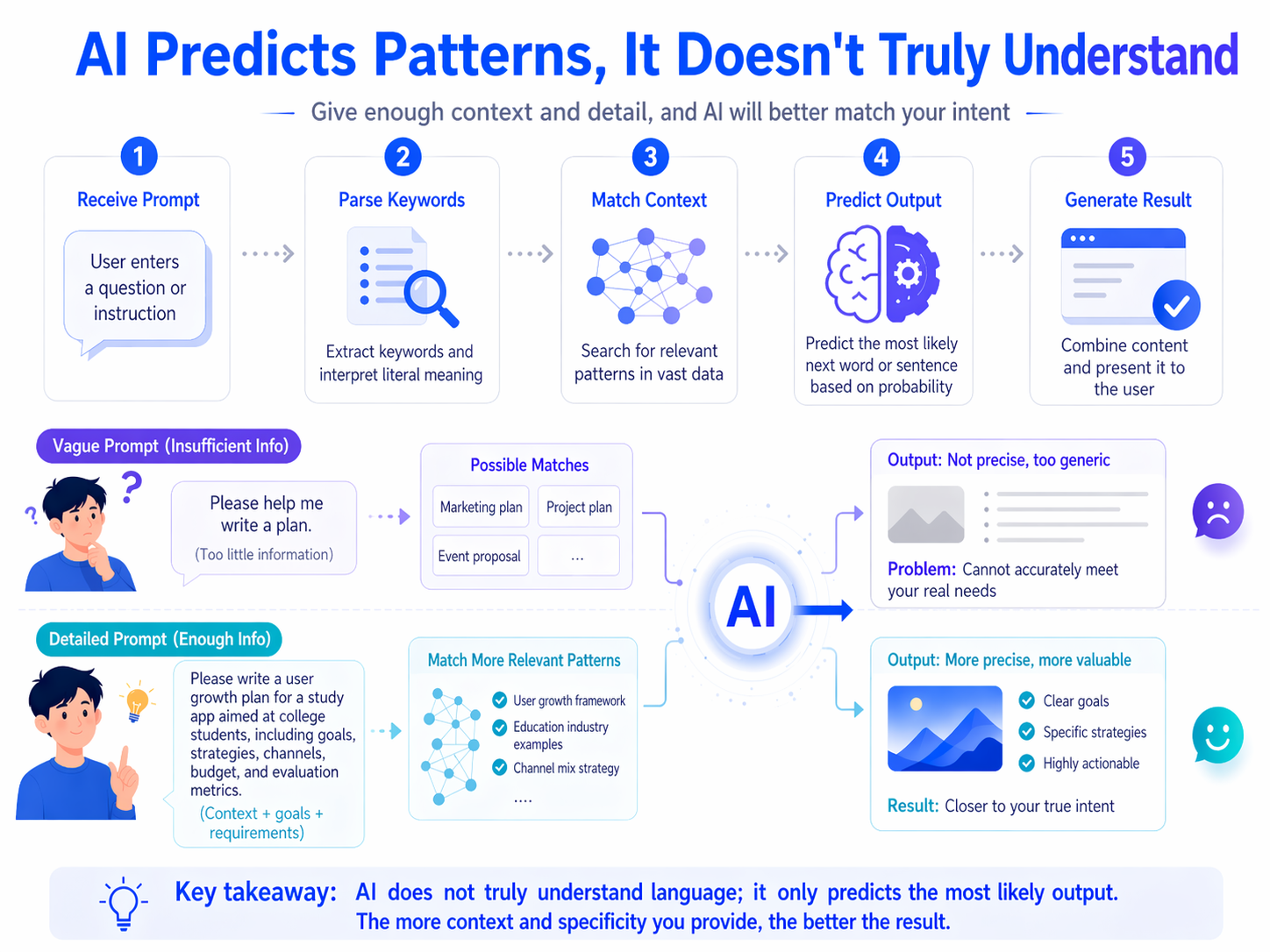
At its core, an AI prompt is a clear instruction or question you send to an AI tool to generate a specific output. It can be as short as “write a poem about coffee” or as detailed as a multi-paragraph brief outlining a blog’s audience, tone, and key points. A well-crafted prompt typically includes three components: background context, a clear task, and any necessary constraints or details.
This practice of designing and refining prompts to get the best possible results is called prompt engineering. With the right prompts, AI can tackle an impressive range of tasks: from drafting strategic business plans and personalized advice to creating poetry, graphics, blog posts, and even video scripts. Keep in mind that different AI tools have distinct prompt requirements—for example, image generators like Midjourney rely on descriptive keywords and style references, while text tools like ChatGPT thrive on conversational, detailed instructions.
How AI Understands and Responds to Prompts
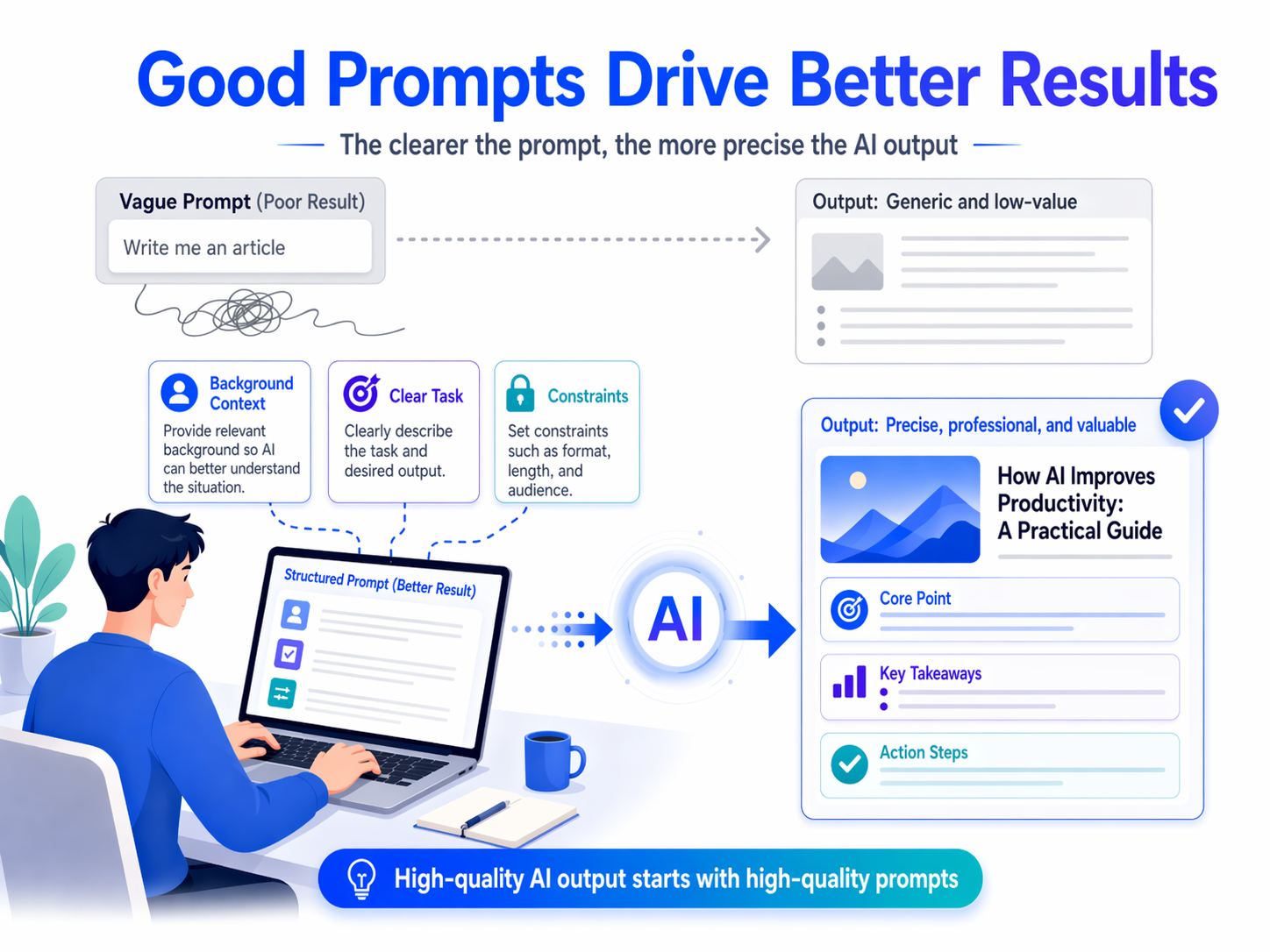
Before diving into writing better prompts, it’s important to understand how AI processes them. AI models don’t “understand” language the way humans do; instead, they learn patterns, grammar, and context from analyzing massive amounts of text data. Here’s a breakdown of the five-step process AI uses to respond to your prompt:
- Tokenization: The AI splits your prompt into smaller units called tokens—words, word fragments, or even characters.
- Context Analysis: It uses its training data to interpret the meaning and relationships between these tokens.
- Pattern Matching: The AI identifies similar patterns in its training data that align with your prompt.
- Probability Calculation: It calculates the most logical sequence of words or elements to follow your prompt.
- Generation and Optimization: Finally, it generates a coherent output and refines it to improve relevance and flow.
Remember: AI is predicting the next best content based on patterns, not truly comprehending your request. That’s why specificity and context are so crucial.
10 Actionable Tips to Write Effective AI Prompts
Ready to level up your prompt-writing game? Follow these 10 practical tips to generate precise, high-quality AI outputs every time:
- Be Precise and Specific AI has no inherent common sense, so leave no room for ambiguity. Include details like target audience, tone, length, key keywords, and author persona. For example, instead of “write a blog,” try: “Write a 500-word blog post for freelance graphic designers on pricing strategies, in a friendly, authoritative tone that includes actionable tips.”
- Provide Context Context eliminates confusion. If you’re asking for content related to “banks,” specify whether you mean financial institutions or river banks. For a marketing prompt, share background on your brand, campaign goals, and audience demographics.
- Use Conversational Prompts Break complex tasks into a series of conversational steps. For instance, start by asking ChatGPT to create a blog outline, then refine each section one by one, or ask it to edit a draft for clarity and tone.
- Assign a Specific Role AI excels at mimicking experts. Assign a role to align the output with your desired style: “Act as a senior copywriter from a top advertising agency to write a catchy product description for a waterproof wireless headphone.”
- Define Output Requirements Tell the AI exactly what structure and key points to include. For example: “Write an article about time management that includes the Pomodoro Technique and 80/20 Rule, structured with an introduction, two main sections, and a conclusion with actionable takeaways.”
- Clarify Exclusions Don’t just tell AI what to do—tell it what to avoid. For an Instagram caption for a fitness brand, try: “Write an energetic Instagram caption for our new protein bar, do not mention competitors or pricing.”
- Include Examples or References Share samples of existing content to match the desired style. Tools like ContentShake AI let you upload blog posts, brand guides, or video scripts, then generate content that mirrors that tone and structure—like converting a blog post into a video script.
- Ask AI for Missing Information Instead of guessing what details AI needs, let it ask you. Try: “Help me create a marketing strategy for my new skincare line. What information do you need from me to make it effective?”
- Test and Iterate Prompt writing is a process of trial and error. If the first output isn’t right, adjust your prompt based on feedback. For example, if ContentShake AI generates an intro that’s too formal, refine your prompt to specify a more casual tone and try again.
- Align with Brand Tone Ensure AI outputs match your brand’s voice by uploading brand style guides or creating a brand voice template. Tools like ContentShake AI let you save these templates as defaults, so every piece of content stays consistent with your brand identity.
The Value of Effective AI Prompts
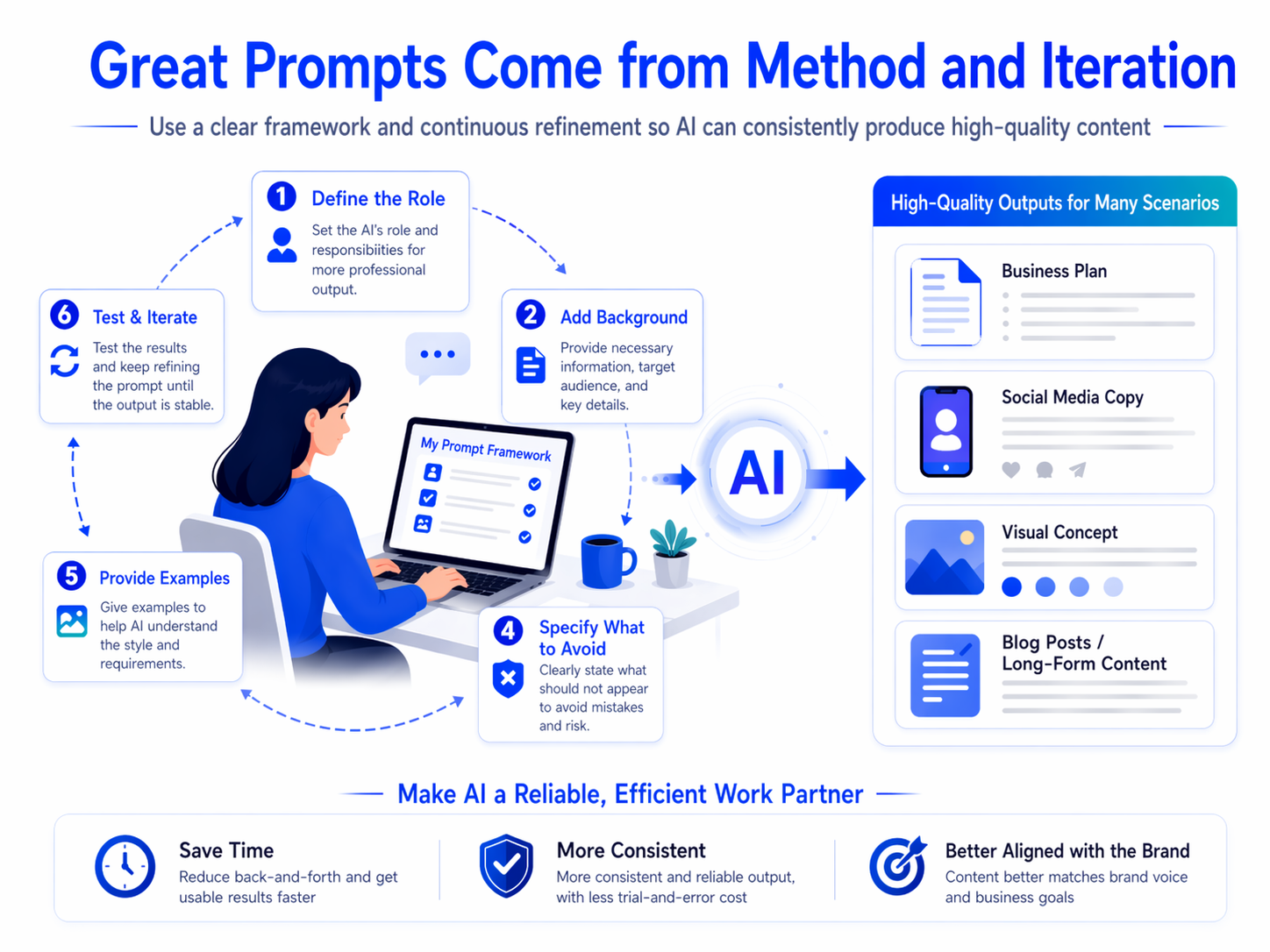
Mastering prompt writing isn’t just about getting better AI outputs—it’s about saving time, reducing frustration, and unlocking AI’s full potential as a creative and productivity tool. With well-crafted prompts, you can generate high-quality, tailored content that aligns with your goals, whether you’re a marketer, writer, designer, or business owner. Tools like ContentShake AI make this even easier by streamlining the process and ensuring consistency across all your AI-generated content.
Start applying these tips today, and watch as AI becomes an indispensable part of your workflow—delivering precise, engaging results that meet your exact needs.